




Intel reports up to 50% performance penalties after the microcode update
https://www.phoronix.com/news/New-Linux-Stable-Downfall
Intel reports up to 50% performance penalties after the microcode update
https://www.phoronix.com/news/New-Linux-Stable-Downfall
https://github.com/open-spaced-repetition/fsrs4anki/wiki/The-Benchmark

According to the above data FSRS v4 is the most accurate algorithm as it has the lowest Mean absolute error based on 66 group of experiments in 59 collections containing approximately 3 million reviews
Ντροπή απλά
Τόσο καιρό χωρίς custom scheduling ή v3 support
Ctrl-Shift-SemiColon to open the debug console Ctrl-Enter to execute the command

Μια μεγάλη αλλαγή έρχεται στο KDE Plasma 6 hahaha.
Στα Windows υπάρχει αυτό το feature από τη δεκαετία του 90… Τώρα γιατί οι developers του KDE δεν είχαν προσθέσει αυτό το χαρακτηριστικό όλα αυτά τα χρόνια, ενώ υπάρχει ηχητική ειδοποίηση για σύνδεση-αποσύνδεση power source, παραμένει ένα μυστήριο …
The new beta-untested version of the FSRS scheduling algorithm is 4.2.1 while the respective stable release is 3.26.2
https://github.com/open-spaced-repetition/fsrs4anki/releases
The release announcement according to the new plan will be is on 23th of October
The original commit that produced the following error:
Exception in thread Thread-1:
Traceback (most recent call last):
File “/home/chris/ankidev/out/extracted/python/lib/python3.9/threading.py”, line 980, in _bootstrap_inner
self.run()
File “/home/chris/ankidev/qt/aqt/mediasrv.py”, line 93, in run
DevTools listening on ws://127.0.0.1:8080/devtools/browser/27d471d5-c7a4-4890-aa4a-3e6d790323b1
https://github.com/ankitects/anki/commit/d5b5b861e24fccf8248dc9786afa13faea203755
% (self.server.effective_host, self.server.effective_port) # type: ignore
AttributeError: ‘MultiSocketServer’ object has no attribute ‘effective_host

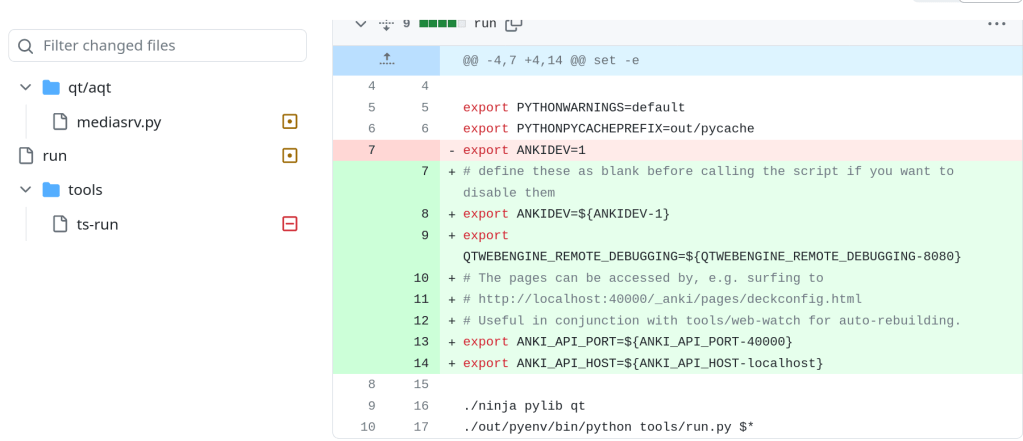
The change that fixed the issue:

Ο νέος αλγόριθμος Free Spaced Repetition Scheduler (FSRS) δημοσιεύτηκε για πρώτη φορά από τον Jarrett Ye με username LMSherlock στο Reddit και στα Anki beta forums. Ο Jarrett Ye είναι ένας κινέζος, απόφοιτος πληροφορικής ο οποίος χρησιμοποίησε μια διαφορετική προσέγγιση στη μοντελοποίηση της ανθρώπινης μνήμης, βασιζόμενος στην στοχαστική ανάλυση εκατομμυρίων δειγμάτων (logs).
Τα δείγματα αυτά προέρχονταν από 220 εκατομμύρια χρήστες της εφαρμογής MaiMemo για την εκμάθηση αγγλικών και ξένων γλωσσών. Η στοχαστική ανάλυση προσπαθεί να εκτιμήσει την βέλτιστη πορεία εκμάθησης, δηλαδή καλή ανάκληση με όσο το δυνατόν λιγότερες επαναλήψεις (reviews).
Το νέο αυτό μοντέλο χρησιμοποιεί έναν stochastic shortest path algorithm ο οποίος εισάγει 3 παραμέτρους της μνήμης:

Η αρχική σταθερότητα έπειτα από την πρώτη απάντηση δίνεται από τον ακόλουθο τύπο: (το G συμβολίζει το Grade με το οποίο ο χρήστης απαντά σε κάθε κάρτα)
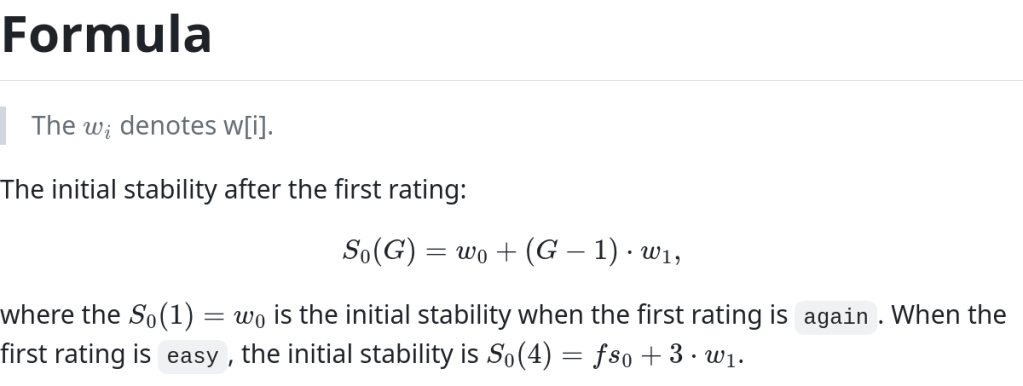
H αρχική δυσκολία δίνεται από τον τύπο:

Για την χρήση του συγκεκριμένου αλγορίθμου απαιτείται έκδοση Anki νεότερη από 2.1.55, καθώς αυτή εισήγαγε δυνατότητα για custom scheduling.
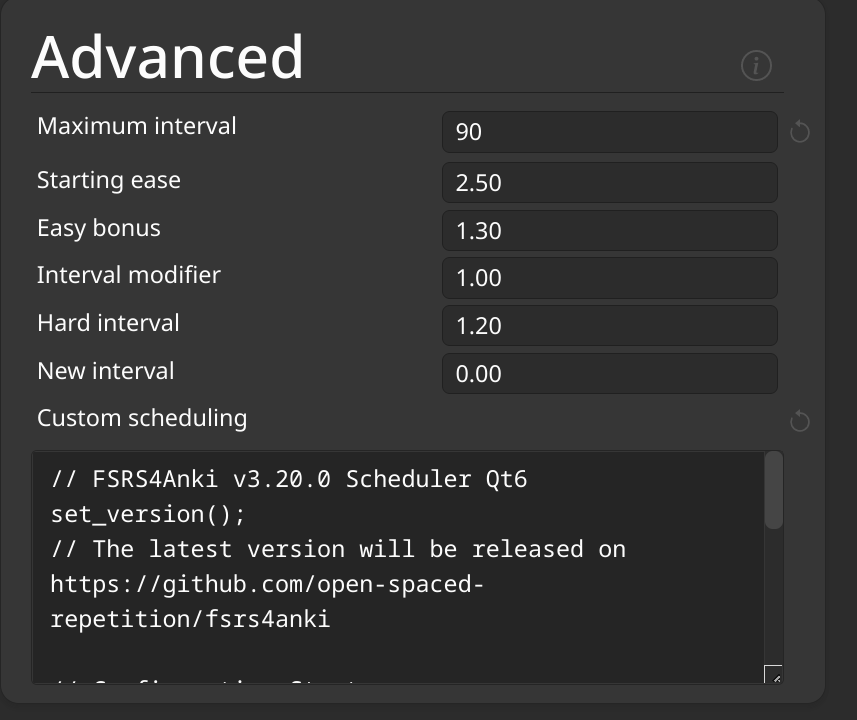
Η εγκατάσταση γίνεται με την αντιγραφή και επικόλληση της εκάστοτε έκδοσης FSRS στο πεδίο custom scheduling. Ο πηγαίος κώδικας βρίσκεται στην ακόλουθη σελίδα: https://github.com/open-spaced-repetition/fsrs4anki/blob/v3.25.4/fsrs4anki_scheduler.js
και η εύκολη αντιγραφή του γίνεται πατώντας το Raw

Στα αρχικά βήματα ίσως θέλει κάποιος να βλέπει τις παραμέτρους της κάθε κάρτας. Για αυτό πρέπει να αλλαχτεί η μεταβλητή display_memory_state από false σε true

Το FSRS είναι τόσο υποσχόμενο που ο δημιουργός του Anki, Damien Elmes (dae) σκέφτεται να το ενσωματώσει σαν προαιρετικό scheduler.
Trying to insert fingerprints using fprint gave the following repetitive error message:
Using device /net/reactivated/Fprint/Device/1
failed to claim device: GDBus.Error:net.reactivated.Fprint.Error.Internal: Open failed with error: Package crc check failed
The lsusb command gives more info about the fingerprint sensor:
> lsusb
Bus 004 Device 001: ID 1d6b:0003 Linux Foundation 3.0 root hub
Bus 003 Device 004: ID 0c45:6725 Microdia Integrated_Webcam_HD
Bus 003 Device 003: ID 27c6:639c Shenzhen Goodix Technology Co.,Ltd. Goodix
USB2.0 MISC
Bus 003 Device 002: ID 046d:c52b Logitech, Inc. Unifying Receiver
Bus 003 Device 005: ID 8087:0026 Intel Corp. AX201 Bluetooth
Bus 003 Device 001: ID 1d6b:0002 Linux Foundation 2.0 root hub
Bus 002 Device 001: ID 1d6b:0003 Linux Foundation 3.0 root hub
Bus 001 Device 001: ID 1d6b:0002 Linux Foundation 2.0 root hub
So my laptop has a 27c6:639c Goodix sensor
The error is about a cyclic redundancy (CRC) check and comes directly from the driver: https://gitlab.freedesktop.org/libfprint/libfprint/-/blob/master/libfprint/drivers/goodixmoc/goodix.c#L171
Luckily after some extensive search of several months I found this solution that works like a charm: https://community.frame.work/t/responded-fingerprint-scanner-compatibility-with-linux-ubuntu-fedora-etc/1501/214
sudo pacman -S ufw (installs the ufw package)
sudo systemctl start ufw (starts ufw service)
sudo systemctl enabe ufw (starts ufw service by default at boot)
ufw default deny (denies all by default)
ufw allow from 192.168.0.0/24 (allows access from a local LAN network)
Akregaror is probably the best and personally my favorite RSS reader for Linux-Unix KDE.

The Nouveau open source driver causes a lot of issues in general. That’s why many (including myself) prefer the proprietary Nvidia driver

 /root
/root 