





Category: Linux
-
-
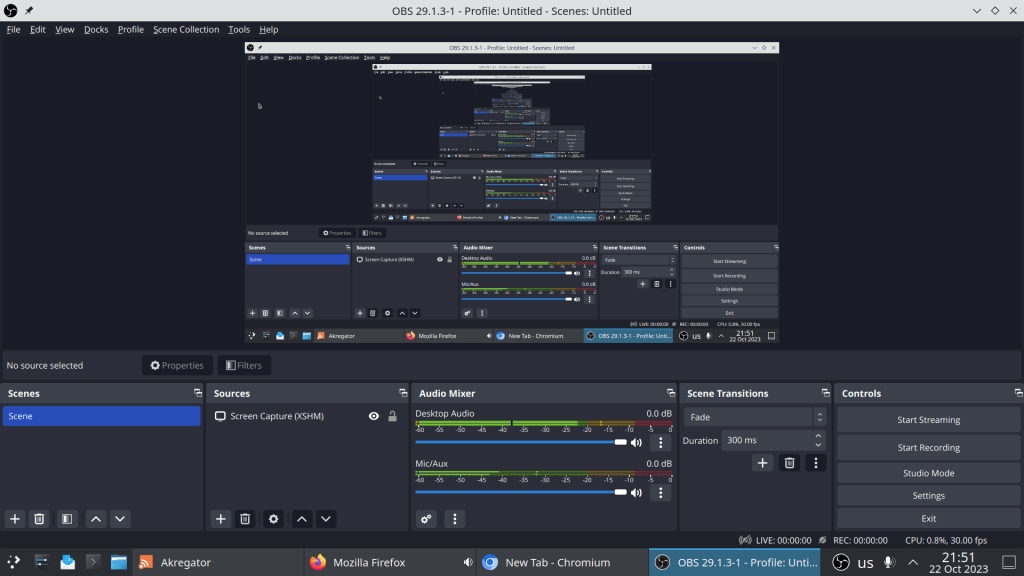
> obs
debug: Found portal inhibitor
debug: Attempted path: share/obs/obs-studio/locale/en-US.ini
debug: Attempted path: /usr/share/obs/obs-studio/locale/en-US.ini
debug: Attempted path: share/obs/obs-studio/locale.ini
debug: Attempted path: /usr/share/obs/obs-studio/locale.ini
debug: Attempted path: share/obs/obs-studio/themes/Yami.qss
debug: Attempted path: /usr/share/obs/obs-studio/themes/Yami.qss
info: Using EGL/X11
info: CPU Name: 11th Gen Intel(R) Core(TM) i7-11370H @ 3.30GHz
info: CPU Speed: 1129.667MHz
info: Physical Cores: 4, Logical Cores: 8
info: Physical Memory: 15740MB Total, 505MB Free
info: Kernel Version: Linux 6.6.0-1-MANJARO
info: Distribution: “Manjaro Linux” Unknown
info: Desktop Environment: KDE (KDE)
info: Session Type: x11
info: Window System: X11.0, Vendor: The X.Org Foundation, Version: 1.21.1
info: Qt Version: 6.6.0 (runtime), 6.5.1 (compiled)
info: Portable mode: false
info: OBS 29.1.3-1 (linux)
info: ———————————
info: ———————————
info: audio settings reset:
samples per sec: 48000
speakers: 2
max buffering: 960 milliseconds
buffering type: dynamically increasing
info: ———————————
info: Initializing OpenGL…
info: Loading up OpenGL on adapter Intel Mesa Intel(R) Xe Graphics (TGL GT2
)
info: OpenGL loaded successfully, version 4.6 (Core Profile) Mesa 23.1.9-ma
njaro1.1, shading language 4.60
info: ———————————
info: video settings reset:
base resolution: 1920×1080
output resolution: 1280×720
downscale filter: Bicubic
fps: 30/1
format: NV12
YUV mode: Rec. 709/Partial
info: NV12 texture support not available
info: P010 texture support not available
info: Audio monitoring device:
name: Default
id: default
info: ———————————
warning: Failed to load ‘en-US’ text for module: ‘decklink-captions.so’
warning: Failed to load ‘en-US’ text for module: ‘decklink-output-ui.so’
libDeckLinkAPI.so: cannot open shared object file: No such file or director
y
warning: A DeckLink iterator could not be created. The DeckLink drivers ma
y not be installed
warning: Failed to initialize module ‘decklink.so’
error: os_dlopen(/usr//lib/obs-plugins/frontend-tools.so->/usr//lib/obs-plu
gins/frontend-tools.so): libluajit-5.1.so.2: cannot open shared object file
: No such file or directory
error: os_dlopen(/usr//lib/obs-plugins/frontend-tools.so->/usr//lib/obs-plu
gins/frontend-tools.so): libluajit-5.1.so.2: cannot open shared object file
: No such file or directory
warning: Module ‘/usr//lib/obs-plugins/frontend-tools.so’ not loaded
info: [pipewire] Available captures:
info: [pipewire] – Desktop capture
info: [pipewire] – Window capture
warning: v4l2loopback not installed, virtual camera disabled
error: VAAPI: Failed to initialize display in vaapi_device_h264_supported
zsh: segmentation fault (core dumped) obsThe problem stems from incompatibility of obs with the current libva-vdpau-driver that provides hardware accelerated video decode/encode.
A solution is to delete the libva driver and install the nvidia-vaapi-driver instead.
-
So the biggest difference according to the video is the presence of examples in the BSD documentation.
Take the dd command as an example:
FreeBSD manual pages:
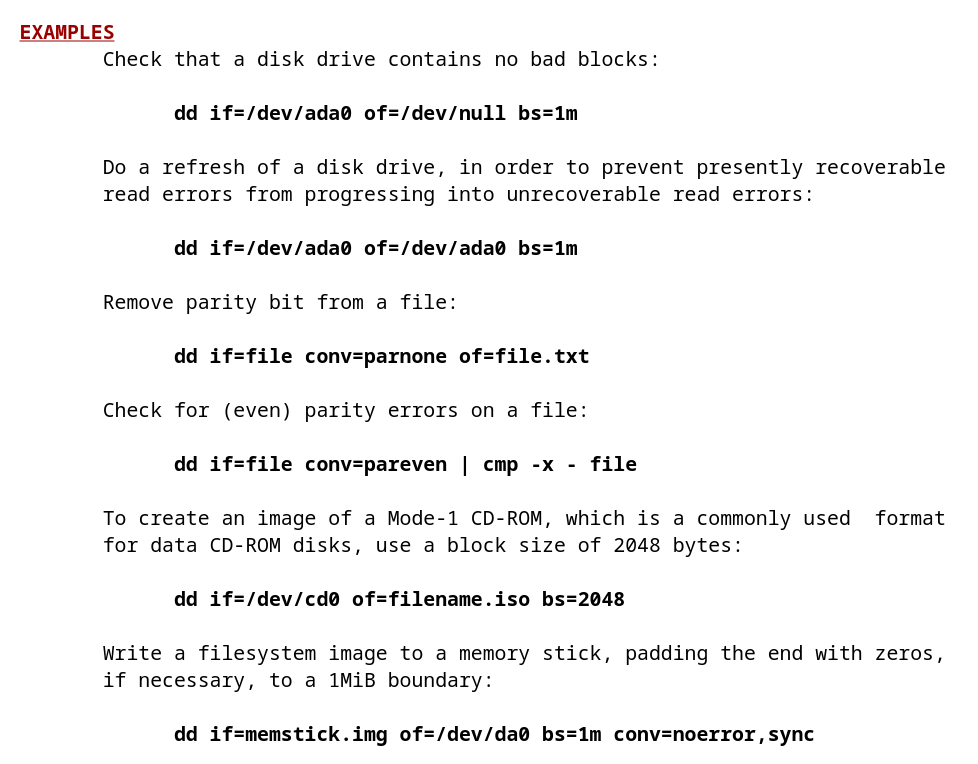
The Arch Linux man page of dd has no samples of use: https://man.archlinux.org/man/dd.1
-
> sudo systemctl set-default multi-user.target
Place your right index finger on the fingerprint reader
Created symlink /etc/systemd/system/default.target → /usr/lib/systemd/syste
m/multi-user.target.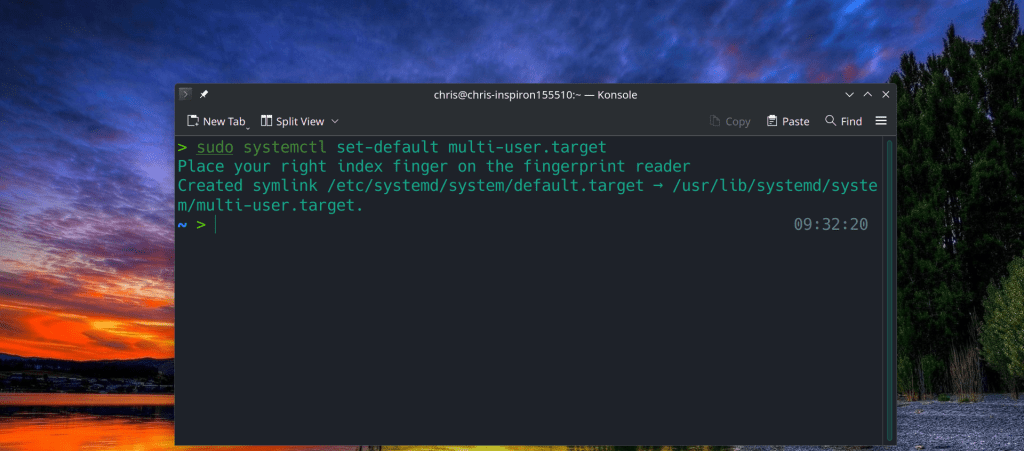
In order to reverse this cahnge and boot into GUI mode of your Desktop Environment
sudo systemctl set-default graphical.target
-
23.10 adds ZFS on root during the installation process and Gnome 45 as the default desktop environment.
I may write about Manjaro’s disorganization in another post…
-
Stable in about 2 weeks
There’s a fix for a kernel crash when unplugging Logitech USB receivers and various other changes regarding hung systems at shutdowns or reboots. This seems to affect various Lenovo, Sony, and Dell systems using Intel Alder Lake and Raptor Lake that were having problems at shutdown/reboot.

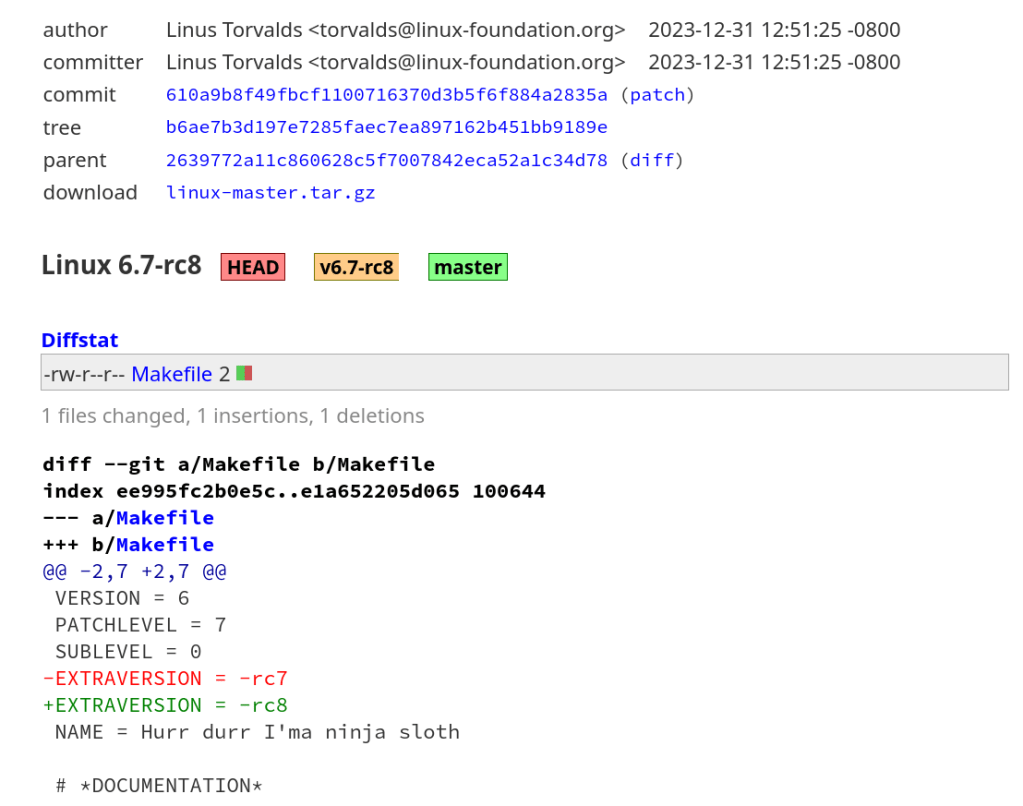
https://git.kernel.org/pub/scm/linux/kernel/git/torvalds/linux.git/commit/
-
We have identified hate speech from a malicious contributor in some of our translations submitted as part of a third party tool outside of the Ubuntu Archive.
The Ubuntu 23.10 image has been taken down and a new version will be available once the correct translations have been restored.”